How Long Does Video Production Take?
A real-world timeline from planning and filming to the final edit.
If you’ve ever asked, “how long does it take to complete a video project?” the honest answer is: it depends on scope, but most professional projects fall into a predictable range.
For a typical business video (testimonial, brand story, service overview), you’re usually looking at 2–6 weeks from kickoff to final delivery. Bigger productions may have multi-location shoots, lots of interviews, heavy motion graphics, or multiple deliverables. These often land in the 6–12+ week range.
Below is a real, practical breakdown of video production timelines from pre-production to the final edit, plus the factors that speed things up (or slow them way down).
Typical Video Production Timelines (Quick Answer)
Here’s a realistic range for common projects:
Simple social video (15–60 seconds, light editing): 3–10 business days
Testimonial video (1–2 minutes, 1 shoot day): 2–4 weeks
Brand / company story video (1.5–3 minutes): 3–6 weeks
Recruiting / culture video (multiple interviews + b-roll): 4–8 weeks
Event highlight video: 2–10 days (depends on turnaround needs)
High-end campaign with motion graphics / multiple cutdowns: 6–12+ weeks
If you’re hiring a team, the schedule isn’t just “editing time.” It includes planning, scheduling, shooting, approvals, revisions, and delivery formatting.
The Real Video Production Timeline (Step by Step)
1) Pre-Production (1–3 weeks)

Pre-production is where the success of the video is decided. This phase covers aligning on goals, audience, and messaging, plus scriptwriting or interview planning, building the shot list and b-roll plan, confirming locations, scheduling interviews or talent, and handling logistics like permissions, releases, and the production plan. For small or simple projects, pre-production typically takes 3–7 days, while most business videos take 1–3 weeks. It tends to slow down when scheduling drags, the message is unclear, or too many stakeholders are involved.
2) Production Day (1–3 days, sometimes more)
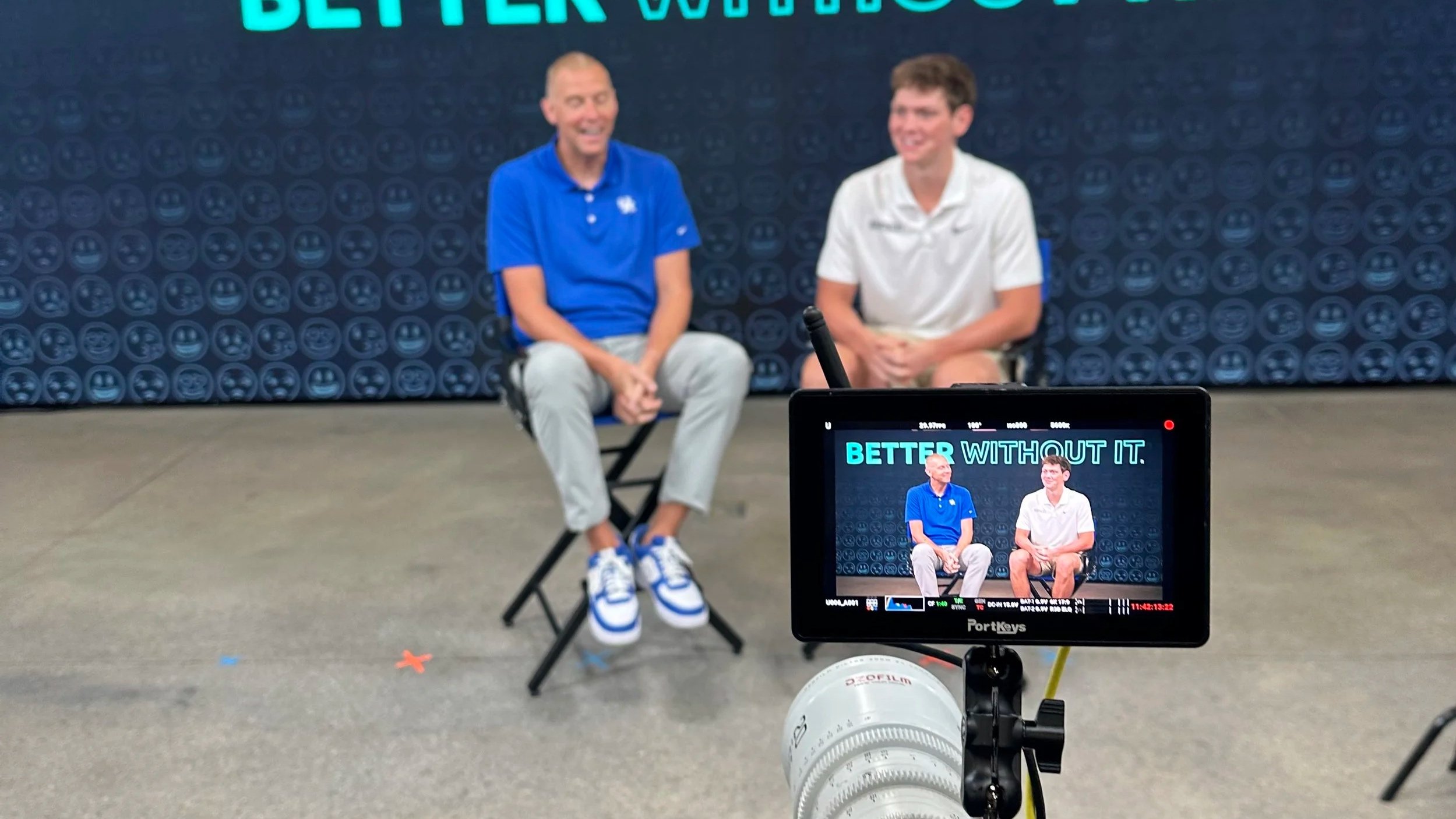
This is the shoot itself and it can include interviews, b-roll, product shots, drone footage, and more. For a single location, production usually takes half a day to one full day. If the project involves multiple locations or several interviews, it often requires 2–3 days. Larger productions can take several days to weeks, although that is rare for most small businesses. The fastest way to keep shoot days efficient is to have locations ready, talent prepared, and a tight shot list in place.
3) Ingest + Organize (1–3 days)
This step is invisible but essential. All footage is backed up, organized, synced, and prepped so editing can move quickly and safely. This phase typically takes 1–3 days, and it can take longer if there’s a large amount of footage, multiple cameras, or long interviews to manage.
4) First Edit (Rough Cut) (3–10 business days)
This is where the story comes together and the structure is finalized, whether that means selecting the best interview sound bites or building the edit from a script, assembling the narrative, choosing b-roll, and dialing in the pacing. For short or simple projects, this stage typically takes 3–5 business days, while most projects fall in the 5–10 business day range. It can take longer if the direction is unclear, key assets like logos or product images are missing, or music approval is still pending.
5) Revisions + Approvals (3–14+ days)
Most professional teams include 1–2 rounds of revisions, and this stage can move quickly or become the longest part of the project depending on how approvals are handled internally. With fast approvals, revisions may take 3–5 days, while an average process usually takes 1–2 weeks. If multiple decision-makers are involved, it can stretch to 2–4+ weeks. A simple way to speed things up is to choose one point person to consolidate feedback, which can dramatically reduce delays.


6) Final Polish (2–7 business days)
Once the edit is locked, the project moves into final polish, which typically includes color correction or color grading, an audio mix that cleans up dialogue and balances music levels, motion graphics like lower thirds and titles, optional sound design, and captions that are often handled as a separate step. This phase usually takes 2–7 business days, and if the motion graphics are more complex, it can take longer.
7) Delivery + Formatting (1–3 days)
Once the edit is finalized, you receive the finished video versions, often in multiple formats such as horizontal for YouTube or your website, vertical for Reels or TikTok, and sometimes square if needed. This stage can also include multiple cutdowns like 15, 30, and 60-second versions, along with captioned exports. Delivery and formatting typically takes 1–3 days, and if you need a lot of variations, it can take a bit longer.
So… How Long Does It Take to Complete a Video Project?
For most businesses, a fast but still professional turnaround is typically 10–15 business days (about 2–3 weeks). A more standard timeline lands around 3–6 weeks, and if the project has a larger scope with multiple stakeholders, approvals, and motion graphics, you should expect 6–12+ weeks.
Final Thought
Make Something Media will walk you through pre-production, scheduling, shoot day, and post, so you know exactly what’s happening and when you’ll have your final video in hand. Whether you need a testimonial, a brand story, a recruiting video, or a set of social cutdowns, we’ll build a schedule that fits your deadline and deliverables.