
(Without Feeling Staged)
In healthcare marketing, trust is the single most important currency. Prospective patients are rarely looking for flashy commercials or high-pressure sales tactics; they are looking for reassurance, clinical expertise, and relatable human experiences. Patient video testimonials are among the most effective tools for building this trust. However, capturing these stories requires a fundamentally different approach than a standard corporate shoot. If a testimonial feels forced, scripted, or overly rehearsed, it immediately erodes credibility.
Here is how to plan, film, and produce healthcare testimonial videos that feel authentic, respectful, and impactful.
1. Create a Low-Pressure Set Environment
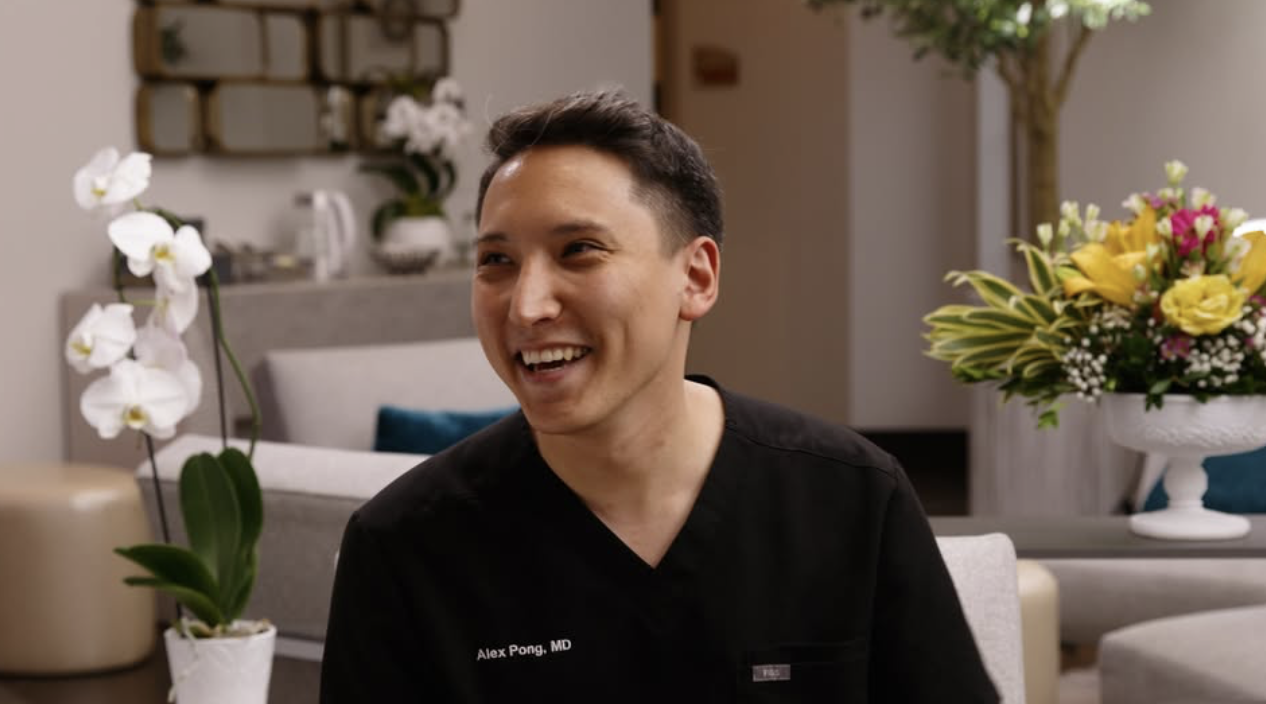
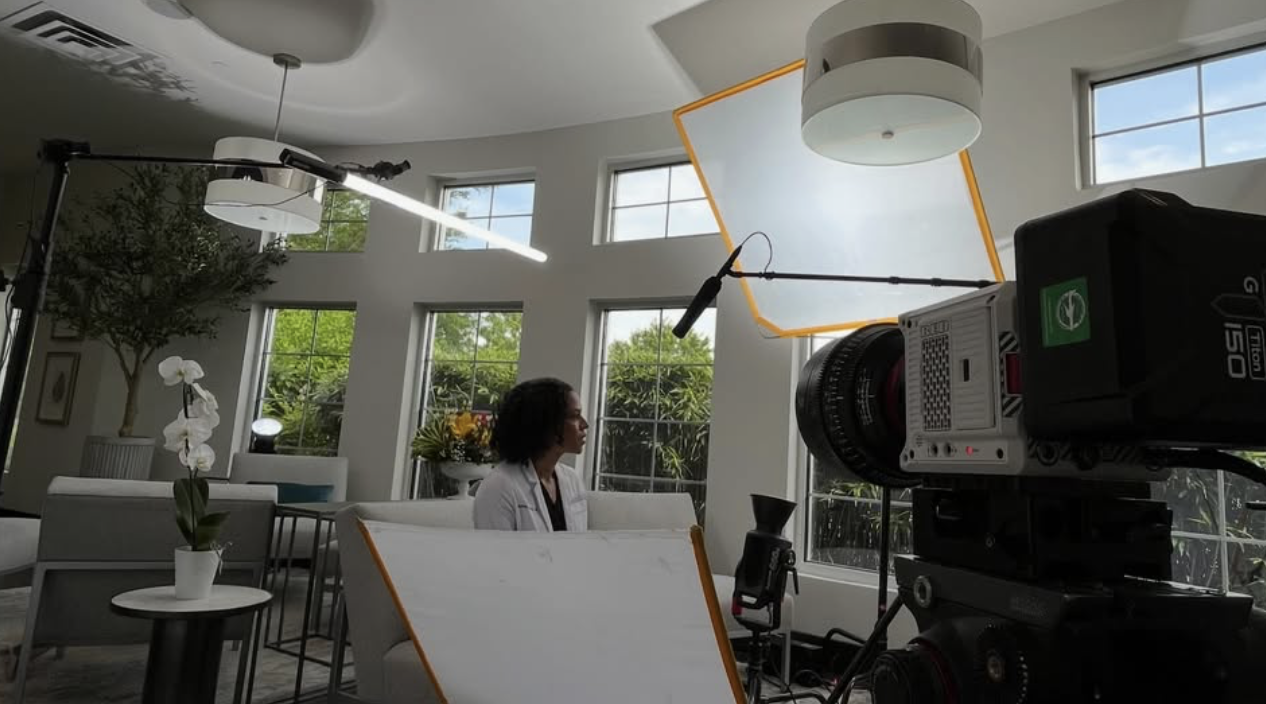
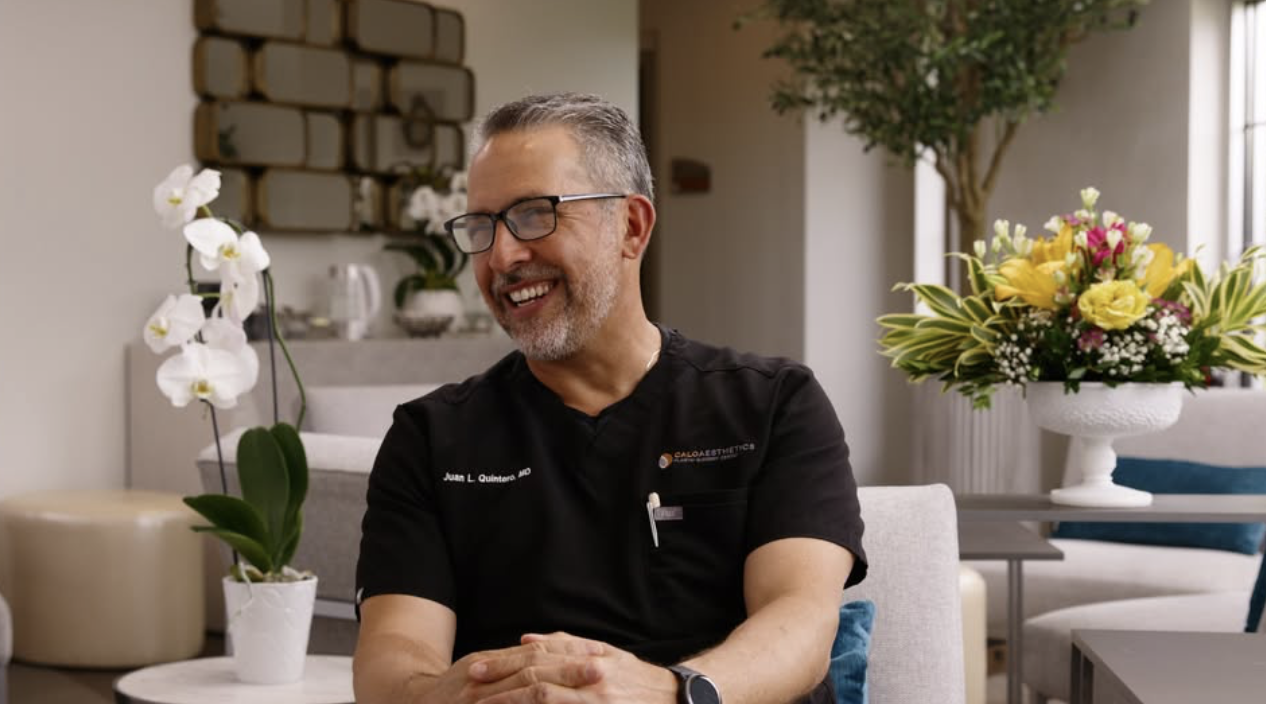
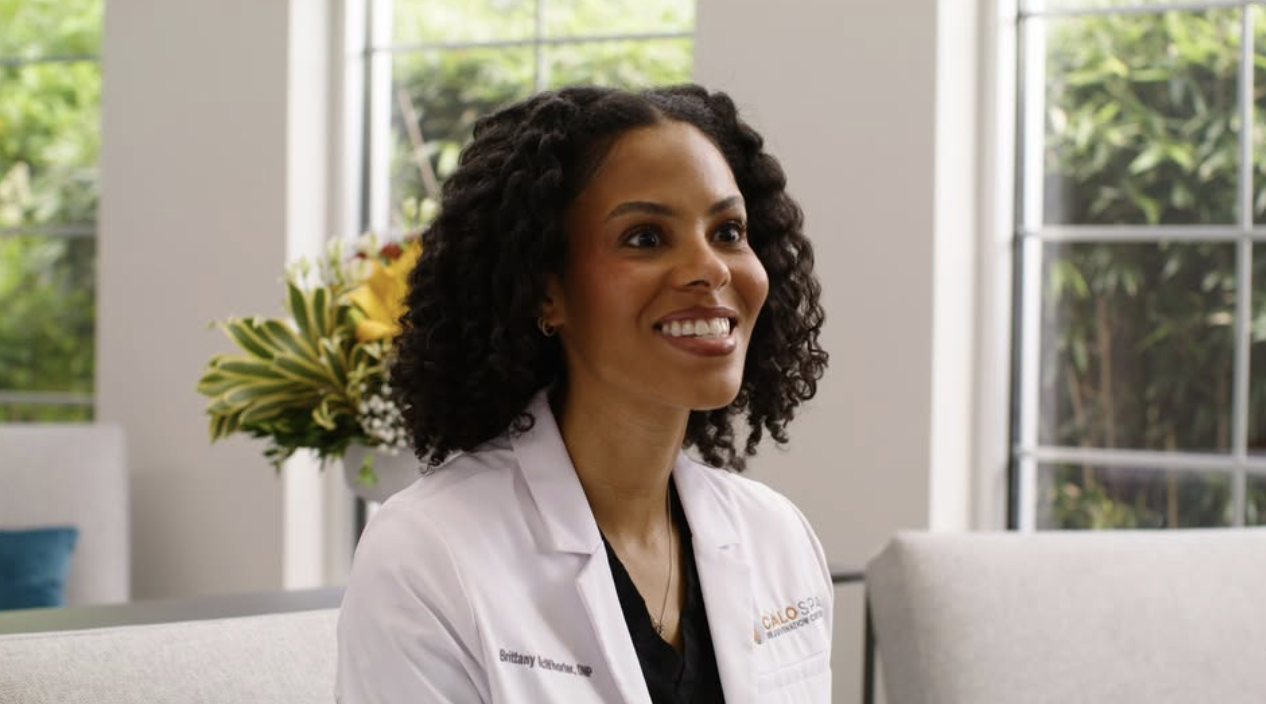
Stepping in front of high-end cinema equipment can be intimidating for anyone, especially patients sharing personal health journeys. The physical environment directly influences the authenticity of the performance.
Minimize Crew Footprint: Keep the room clear of unnecessary personnel. A small, focused crew creates an intimate conversation rather than an overwhelming production spectacle.
Soft, Natural Lighting: Avoid harsh lighting setups that feel clinical or aggressive. Diffused, warm key lights create a welcoming ambiance and make the subject look and feel comfortable.
2. Ditch the Script for Guided Conversation
Scripts and teleprompters should never be used for patient testimonials. Reading prepared remarks instantly strips the emotion and cadence from a person's voice.
Instead, structure the shoot as an unhurried, conversational interview:
Pre-Interview Discovery: Speak with the patient beforehand to understand the key milestones of their journey without rehearsing exact phrases.
Open-Ended Prompts: Rather than asking for praise, ask reflective questions such as, "Take me back to how you felt before the procedure," or "What was the turning point in your care?"
Maintain Eye Contact: Have the interviewer sit right next to the camera lens at eye level. This keeps the subject looking naturally toward the lens without feeling like they are staring down a piece of glass.
3. Pair Emotion with Contextual B-Roll
A powerful testimonial needs more than just a static talking head. Visual variety provides context, elevates production value, and covers natural pauses in the edit.
Physician & Staff Interactions: Capture candid interactions between providers and patients—consultations, handshakes, and genuine moments of attentiveness.
Facility & Environmental Shots: Showcase clean, modern clinical spaces, welcoming reception areas, and specialized technology to demonstrate operational excellence.
Everyday Life: If feasible, show the patient thriving in their daily routine after treatment, demonstrating the tangible impact of their care.
4. Build a Modular Video Library
A single testimonial shoot should yield multiple marketing assets across different stages of the patient journey:
Full-Length Case Study (2–3 minutes): An in-depth narrative featured on your website's service or specialty pages.
Short-Form Social Clips (15–30 seconds): High-impact quotes optimized vertically for Instagram, LinkedIn, and YouTube Shorts.
Provider Highlight Reels: Snippets specifically focused on individual surgeons or physicians to build personal trust with incoming consultations.
Elevate Your Medical Storytelling
Producing high-impact healthcare content requires balancing technical rigor with human empathy. When done correctly, patient stories do not just market your practice, they provide genuine comfort and clarity to someone navigating a major health decision. Learn more about how Make Something Media can help make it happen for you.